
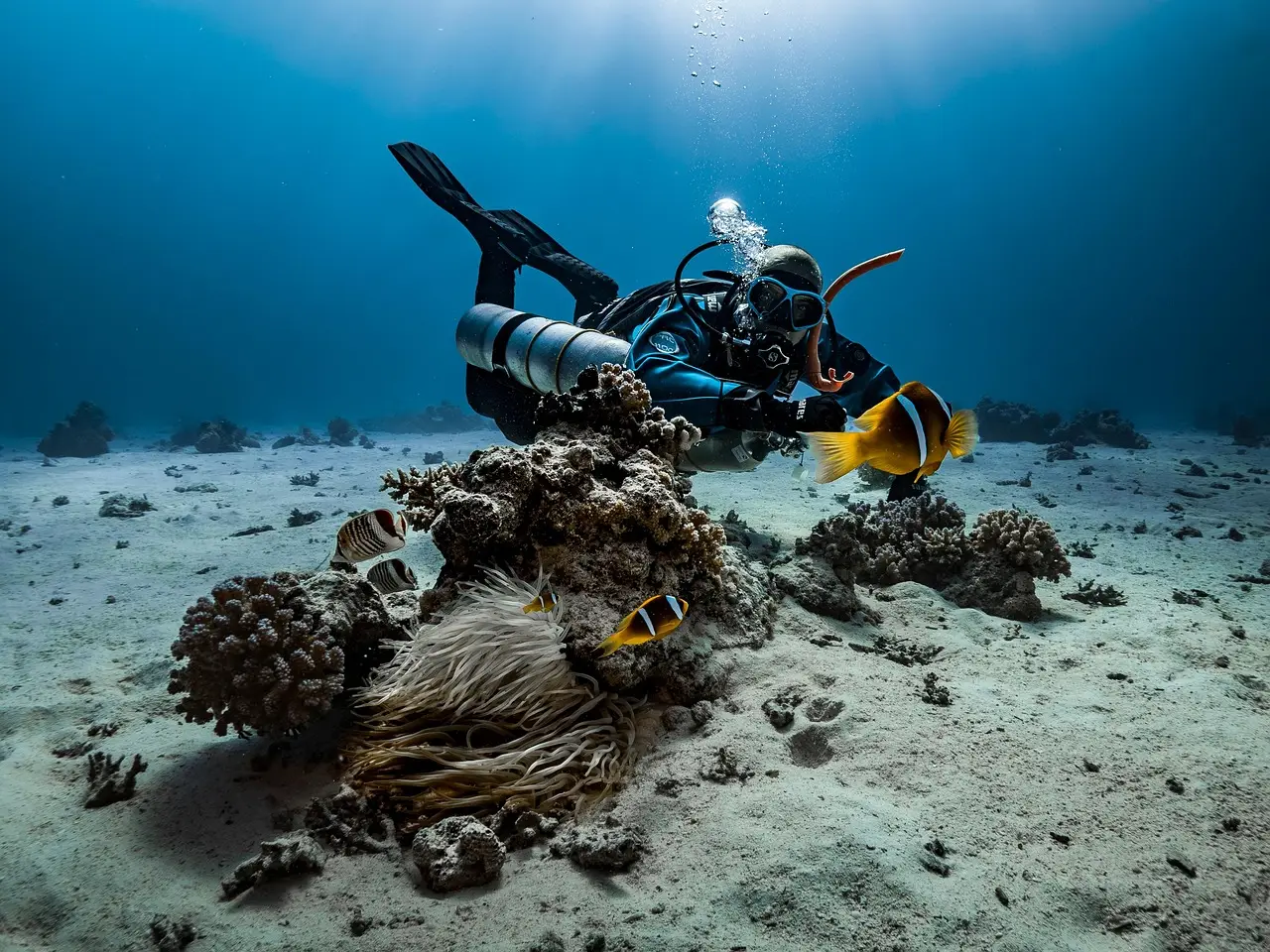
Arrange repeat shoots with a local photographer so your website, Google listing and ads show the trips you sell today. Agree on the pictures and usage rights in writing before anyone gets aboard.
You already know your reef and why good pictures matter. The trouble is how long the same three shots can stay on every page. A shoot from three years ago can make the business look out of date. And even if you’ve got the files, you may still lack permission to use them.
Your boat changes while the old pictures stay up
Say you’ve painted the boat or replaced the ladder since your last shoot. Those old pictures won’t show it. Crew changes leave the same gap.
Water matters too. An August shot can give someone who books for February the wrong idea about the blue they’ll see. Visibility and marine life change with the season. Photos from that month give you something current to put in an email or ad.
Guests add their own pictures in reviews. If those show today’s boat and yours show an older version, the difference is there for anyone to see.
A photographer who knows the boat has less to learn next time
On the first shoot, the photographer has to learn where light falls on deck and who’s comfortable on camera. By the third season, your divemasters know them. Less of that half day goes into introductions and explanations.
You also have a dated library to pull from when a brochure or trip-page header needs a fresh image. The license you agreed on says where each set can go.
A guest may compare your listing with three other shops. Current crew and divers in this season’s water show them an operation that’s active now. Marketing a scuba shop gets easier when the pictures change with the water.
Where can I find someone who can shoot a dive trip?
Look at the pictures your own divers post. Someone who already takes good shots aboard your boat is worth a conversation.
Local camera clubs are another place to ask, at a meeting or in their group. Explain the work and when you need it. Underwater photographers who post from your local sites already have pictures you can judge against the water you know.
Photography and film students may be after portfolio work, so a local college program is worth a call too. ASMP, a photographers’ trade group, has Find A Creative, where photographers put up profiles and galleries. These are places to look, and none promises a good fit.
A land photographer who doesn’t dive can cover the dock and deck, gear room, briefing and crew. You can arrange the underwater set later with a diving photographer and model diver.
Before you agree, ask to see boat-deck and water work. A sharp studio portrait won’t tell you much about what happens with a swell under the boat.
Decide what the seat or half day is worth to you
You can trade a trip for finished pictures or pay for a half day.
A free seat still costs your shop a seat. On a busy departure, that’s one you could sell. Put the photographer on a trip with room if you take this route, and keep full departures for paying divers.
For a paid half day, you agree on the hours and fee for a boat day you choose. The price is between you and the photographer.
Write down either arrangement. Otherwise, you can come back expecting more pictures than they meant to deliver, or more rights than they meant to give.
Settle the files and permission before the shoot
An email can lay out what you want in plain words. Your lawyer can review the terms.
Describe the shots: the boat from the dock, crew at work and the briefing. Include divers as they enter and surface, a certification course in the water, and close shots of this season’s marine life.
Then agree on a finished count. You could ask for 30 or 40 pictures. The number is your choice. Ask for their best frames with light edits. You don’t need every frame they take.
The license should name each use: website, Google listing, ads, brochures, email and social. Set the length of permission and settle whether the photographer can sell those same shots elsewhere.
Some photographers want a credit on the picture. Others don’t. Agree on that line before you use the files.
Give delivery a date too. Ten days is one option if it suits you both. Ask whether you’ll receive raw files or only finished pictures. Some photographers keep the raw files, and it’s fair to raise it before the shoot.
Full-size files give you room to work with the different platform sizes. Google’s photo help calls for JPG or PNG files between 10 KB and 5 MB. It recommends 720 by 720 pixels for your listing.
Meta’s image ad guide lists 4:5 at 1440 by 1800 pixels for Facebook Feed. Google Ads names 1200 by 628 and 1200 by 1200 as common sizes. Tell the photographer you need wide, square and upright frames, with room to crop.
Who owns the pictures
A picture belongs to someone from the moment it’s taken. The Copyright Office’s general FAQ says copyright exists when a work is created and fixed. Photographs are among the works it covers.
The page on who can claim puts that right with the author or their assignees. Possession of the physical work doesn’t give someone copyright. Paying for a shoot or holding the files leaves an ownership question for your lawyer.
The Office’s what is copyright page explains that owners can authorize others to use their work. It also says employees’ work within their jobs belongs to the employer. Someone who trades a dive seat for photos isn’t obviously your employee. Have your lawyer explain how that applies before you settle the written license.
Its permission answer says you can ask the owner and recommends permission when there’s doubt. Get that permission in writing before a shot goes into an ad or brochure.
Give the photographer a place in the boat plan
A calm boat day with a settled plan is easier to shoot than a trip full of first-timers. For example, you could choose a regular Saturday with experienced divers. Any traded seat should be one you’ve set aside, with no paying guest displaced.
Your divemaster needs to know who’s coming and where the photographer will work. Send the shot list ahead. DAN’s boat operations page suggests a designated camera area and a formal roll call before departure from a site. Give the photographer somewhere to put the camera and include them in that count.
A staff member or regular diver who’s comfortable on camera can be your model. Ask your lawyer about releases for people whose faces appear. ASMP has model release forms you can look at.
Before the day, get the photographer’s certification level and dive history in writing, along with details of their gear and housing. They get the same boat briefing as any other diver.
Photography adds a job underwater. A DAN case summary calls task loading a known root cause of diving injuries and fatalities. In that case, photography distracted a diver who went deeper than planned and lost contact with their buddy.
Have the photographer dive with a buddy or divemaster. The dive plan comes first, and the shots have to fit it.
Know where you’ll use the set before it’s delivered
Deal with the trip pages first. That’s where photos sit beside your schedule and booking button. The dive charter booking software post covers those pages, and travel website design covers the website where the pictures go. Replace each lead image for the season.
Your Google listing needs current photos and videos too. Google’s photo tips ask for at least three team pictures and at least three that represent your services. They should show reality, with good focus and light. Keep the edits light. A short clip can go there too, since listing videos can run up to 30 seconds.
Ads wear out fastest. Your regulars have had plenty of chances to see a boat photo that’s run for a year.
If you sell photo or video packages, put a sample set at the counter so guests can see what they’d buy. The dive trip add-ons post covers those offers.
Use the rest for email and brochures. Fall water or a new crew can also give you a reason to pitch a newsroom. The helicopter tour company local news post covers that in another tour niche. Check that your photographer’s license includes press use.
Seasonal marketing for dive shops: match each shoot to a season
This is one calendar you could use.
| Season | What to shoot | Where to use it |
|---|---|---|
| Spring | New crew, clean boat, first checkout dives | Trip pages, Google listing |
| Summer | Full boat day, certification course in water | Ads, email |
| Fall | That month’s water and marine life | Listing, local news pitch |
| Winter | Gear room, classroom, shorter trips | Brochures, next season’s ads |
Four shoots a year is one choice. You could book two, in spring and fall. Another option is one big shoot with a smaller touch-up six months later.
Keep this list with the shoot details
- In your first message, explain who you are and what you want photographed. Include the season and your offer, and ask to see their water work.
- Look through their boat-day pictures for real color and relaxed guests.
- Put the agreed trade in writing, with the date. That applies to a seat and to a paid half day.
- Send the shot list and usage terms ahead of the trip. Any changes belong in writing too.
- Brief your divemaster and model diver before the shoot. The photographer needs the boat briefing and a camera spot.
- On the day, give them room to work while everyone follows the dive plan.
- Before they leave the dock, agree on next season’s date, boat day and shots.
- When the files arrive, compare them with your list. Count them, open a few at full size and check the credit.
- Aim to use the pictures inside two weeks, and tell the photographer where each went.
Deciding who gets a free seat
Before Tour Boss, Drew Sainte Marie ran his own tour boat company. One question for him: how do you decide a photographer is worth a free seat on your trip, and what do you ask for back?
“A seat on a dive boat is the one thing I can’t make more of, so I don’t give it to somebody who just wants a free trip. I’d want to see their work first, and I’d want to see that they already shoot underwater, or that they’re a diver who knows how to stay out of everyone’s way. Then I’d put what I get in writing before the trip: how many finished pictures, by what date, and that I can use them on my site, my Google listing and my ads, with their name credited. If they want to keep the right to sell prints, fine, as long as my use is clear. I’d tell my divemaster who they are so nobody is surprised. And I’d do it again every season, with a different person if the first set was good, because a new set of eyes shows me my own boat in a way I’ve stopped seeing.”
Drew Sainte Marie, founder of Tour Boss
What to do this week
Open your trip pages and note the age of the pictures. Mark any that predate your last boat change.
Write a paragraph you can send to a photographer. Say what you want shot and which season you have in mind. Include the seat or paid half day you’re offering, and raise who owns the pictures.
Make a list of three people to contact. Try one of your divers, someone from a local club and someone who posts from your sites.
Then choose the boat day and tell your divemaster. Send the proposed usage terms to your lawyer for a license review.
For the search side, boat charter SEO covers how guests find the boat. The Key West boat charters page shows how a local operator page reads.