
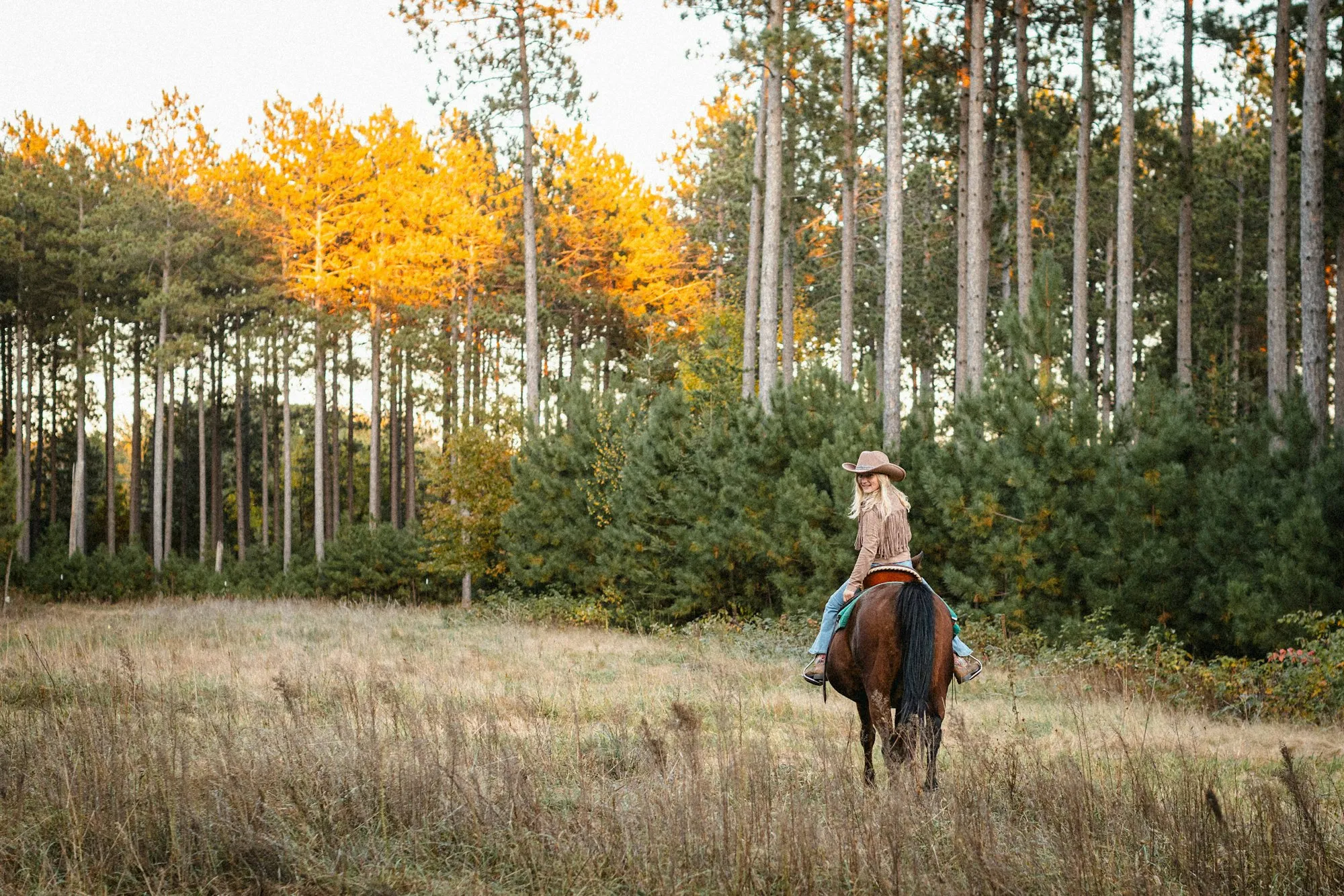
To start a horse trail riding business, you need three things in place before your first guest: a place to ride that you have legal access to, the right insurance and paperwork, and calm, trail-ready horses. Then you set your prices, build a simple way to take bookings, and make sure guests can find you online.
Guided horseback rides appeal to travelers, families, couples and locals looking for a memorable outdoor experience. The work behind them is land access, liability, horse care, staffing and guest experience. This guide walks through each step in order.
Key Takeaways
- Land access comes first. Know whether you will ride on private land, with a landowner’s agreement, or on public land with a permit.
- Insurance, waivers and local rules are not optional. Check your state and local requirements before you take a booking.
- Start with a small herd of calm, experienced trail horses. Add more as demand grows.
- Pricing depends on your costs, ride length and local market, so work it out from your own numbers.
- A simple website, a Google Business Profile and reviews do most of the work of getting found.
Choose the Right Location and Land Access
The first decision is where you will ride. Scenery, terrain and access shape everything else.
Ask yourself:
- Are the trails scenic and safe for both horses and riders?
- Is the terrain suitable for beginners, or are you aiming at experienced riders?
- Do you have private land, or will you need a landowner’s agreement or a permit for public land?
Horse trail businesses commonly operate on:
- Private ranches or farms with enough acreage
- Land leased or shared through an agreement with the landowner
- Public land, such as parks and forests, where the land manager allows commercial use with a permit
- Designated equestrian trail systems in areas that already draw visitors
Map specific routes and time them. Loops avoid backtracking. Plan for a mounting area, rest stops, trailer or guest parking and a safe place to turn around.
Tip: A location close to an existing visitor draw, such as a beach town, wine country or a mountain resort, gives you a steady flow of people who are already looking for things to do.
Understand Legal, Licensing, and Insurance Requirements
Liability is the biggest risk in this business. Sort it out before you book your first ride.
Before your first guest, work through this list:
- Check local and state rules. Requirements for commercial riding operations differ by state and county.
- Register your business and get any business license your city or county requires. The U.S. Small Business Administration explains that license and permit requirements vary with your activity, location and government rules.
- Get commercial liability insurance from an agent who works with equine or recreation businesses. Ask what is covered, what is excluded and what a landowner or land agency will require.
- Have guests sign a clearly written liability waiver before every ride.
- Write a risk plan for injuries, weather and spooked horses, and make sure every guide knows it.
- If you ride on public land, ask the land manager what permit or approval you need before you plan routes around it.
Most states have an equine activity liability law. These laws limit liability only under certain conditions, often tied to posted signage and waiver wording, and the exceptions vary. The Animal Legal & Historical Center keeps a state-by-state list of equine activity liability statutes. Find your state there, read the statute, and do not assume it covers you.
Tip: Pay an attorney who knows recreation or equine law to review your waiver and signage. A well-written waiver is worth the fee, and the right wording depends on your state.
Build Your Herd, Hire the Right People
Your horses are your product. Choose them for your guests, not for how many you can fit in a barn.
Look for horses that are:
- Calm, consistent and experienced on trails
- Comfortable around new people, traffic, wildlife and noise
- Suitable for riders of different sizes and experience levels
Start with a small, well-trained herd you trust. Add more horses when demand is steady, not before.
Your team will likely grow to include:
- A head trail guide (often you, at first)
- Backup guides and wranglers for busy days
- Stable help for feeding, cleaning and routine care
- Someone to handle bookings and guest questions, eventually
Friendly, safety-focused guides matter as much as gentle horses. Guests remember how they were treated and how safe they felt.
Design a Memorable Guest Experience
A trail ride is a story and a memory, not just time on a horse. As you plan, think about what sets your ride apart:
- Sunrise or sunset rides
- Scenic overlooks with time for group photos
- Nature or local history along the route
- Add-ons for birthdays, proposals or family reunions
Keep rides well paced and safe, and give guests something they will want to share. A shorter ride with a personal touch and good photos can be more memorable than a longer one that feels generic.
Set Up Your Pricing, Policies, and Scheduling System
Clear operations keep the business running. Set these up before you open:
- Pricing per rider. Your costs set the floor: horse care, guide pay, insurance, any permit or land fees, and the number of riders per guide. Ride length, group size and what nearby operators charge shape the rest. Consider whether you want different rates for children, private rides or seasons.
- Cancellation and weather policies, especially for rain, heat and trail closures.
- Safety rules, such as age minimums, weight limits and health restrictions.
- A waiver process, digital or paper, completed for every rider.
- A booking system, whether manual, online or built into your website.
Booking platforms built for tour and activity operators, such as FareHarbor, Peek and Bokun, can handle online bookings, payments and waivers. Compare what each one charges and what it includes before you pick.
Tip: Begin with a few ride times per day and add more as demand grows. You do not want idle horses, and you do not want worn-out staff.
Build a Website That Converts
Guests cannot book a ride they cannot find. Your website is your storefront, and it does not need to be large.
At minimum, include:
- A clear description of each ride: length, route, what to wear, who it suits
- Your policies, including age and weight limits, cancellation and weather
- A way to book on every page
- Good photos of your horses, guides and trails
- Reviews and guest photos
- Pages that make sense on a phone, since many guests will look you up on one
A blog helps too, because it lets you answer the questions guests search for. Topics could include:
- “Best horseback rides near [your town]”
- “What to wear on a trail ride”
- “Tips for your first horseback riding experience”
Market Your Horse Trail Riding Business Online
A great ride still needs guests who know it exists. Marketing a new trail business does not mean being everywhere. It means doing a few things steadily. Our general guide to starting a tour company covers the same steps for any tour type.
Start with:
- A Google Business Profile. Verify it and keep your hours, photos and details current. Google’s guidance on improving your local ranking is a good checklist.
- Reviews. Ask every happy guest to leave one, and reply to them.
- Local partnerships. Hotels, vacation rentals, restaurants and event planners can send guests your way.
- Blog posts that answer what guests search before they book.
- Social media, using the channels where your guests already are.
For a fuller picture of how guests find and book tours, read our guide on how to get more bookings.
Conclusion
Starting a horse trail riding business takes more than horses and a good trail. It takes legal access to the land, the right insurance and paperwork, safe horses and guides, and a simple way for guests to find and book you. Get those right, then build your marketing steadily around them.