
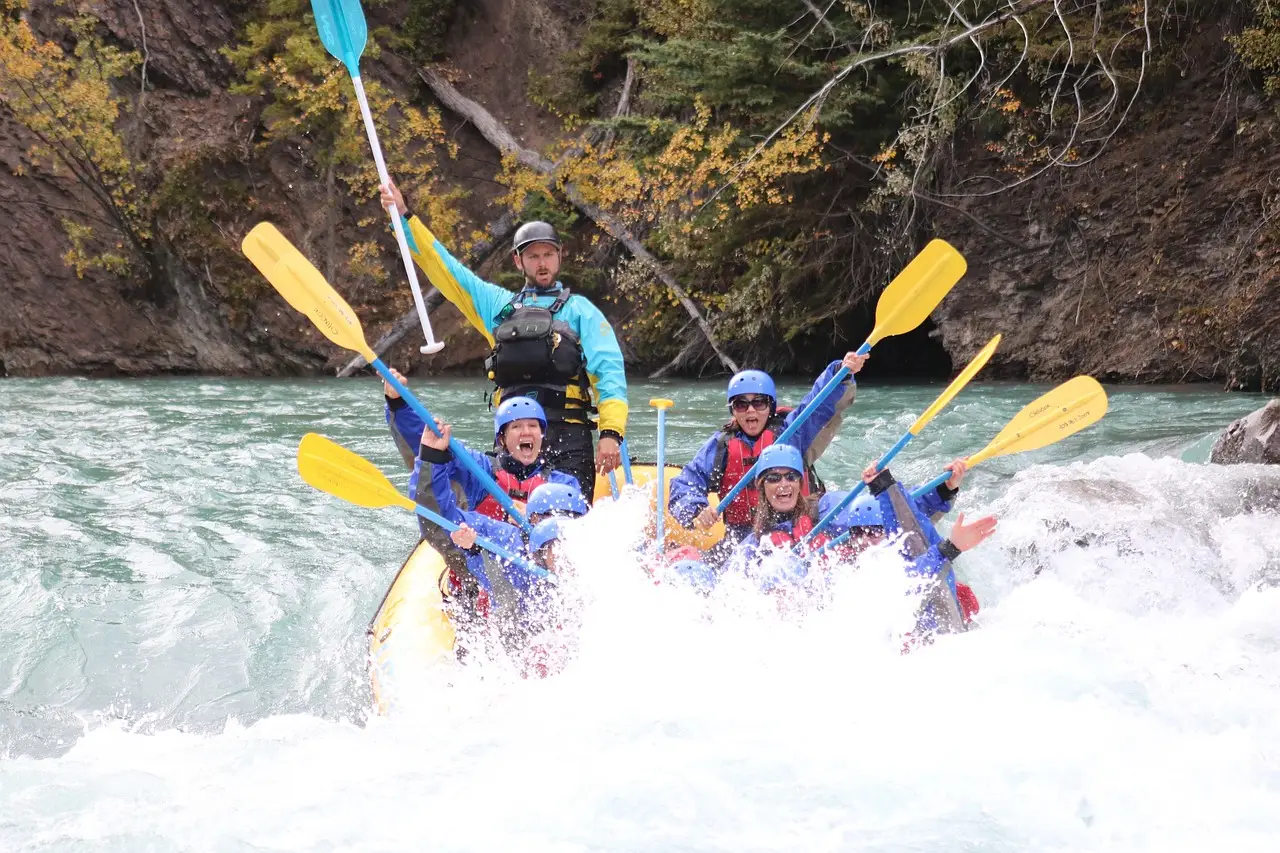
Offer trip choices and cold-water gear before launch, then show guests their rafting photos after takeout. Lunch and town pickup need an early decision; the shot of their raft at the big rapid can wait. Keep life jackets, helmets, the safety talk and a guide in your trip price.
Stop leaving every extra for the check-in counter
The guides are loading the trailer. A guest needs a wetsuit, another wants to know about lunch, and someone’s asking for a private raft.
Your desk has become the place to make every decision you could have settled before anyone arrived.
Move some whitewater rafting add-ons earlier, to booking and the planning emails.
The guest at home has time to compare a half day with a full day. The guest at check-in needs to get fitted and catch the shuttle. Save the longer conversation for when there’s time to have it.
Four times a guest is ready to add something
Booking: settle what kind of river day they’re buying
This is where a bachelor party can choose its own raft. It’s also where a guest from a town nearby decides how to reach your outpost.
Show the longer trip and any lunch option here. Put the extra cost beside each choice, and show the revised total before payment.
Give enough detail that guests can choose without calling. If the shuttle serves their hotel, they should be able to tell.
Planning emails: help them pack for the river
Once the date is booked, the questions change. Someone looks at the packing list and realizes they don’t own anything for cold spring water.
The wetsuit rental belongs beside that advice. Say what you provide and ask for sizes before arrival.
Leave everything else out of that email. A guest trying to sort out river clothing doesn’t need the souvenir rack in their inbox.
Check-in: handle the last few things quickly
Leave room for the guest who missed the email or forgot their booties. Have the available gear and its prices ready.
This should be a short exchange. Your desk staff shouldn’t need to leave the counter to find out what a rental costs.
Private-raft decisions don’t belong in this line. You’ve already assigned the boats and guides for the departure.
Back at the outpost: let guests see their day
Wet guests gather at the photo screen and find their raft. Someone points at the face they made in the rapid.
Give them time to look, then make the package price easy to find. Have the files ready that day.
There’s room for a shirt here, too. And if someone wishes they’d booked the full day, show them when they can come back.
Weigh each extra against its cost and crew time
Drew Sainte Marie ran his own tour boat company before he started Tour Boss. We asked him which add-on earned him the most, and when guests bought it. He kept the add-on to himself and shared how he found it.
“I can’t tell you the add-on that made me the most money. That’s the one I like to use all the time. But I will say, put yourself in your customer’s shoes. What could they add to their experience that would make it better? Make a list of everything. Then do the math on what it would cost you in money, and what it would cost you in time. Find the one with the biggest return on your investment. It’s such an easy sale, because now they’re already warm leads. They’re already purchasing, and they’re more than willing to take an upsell. Upselling to a cold lead is very hard.”
Drew Sainte Marie, founder of Tour Boss
For a rafting day, that list might hold the rapid photos, wetsuits, lunch, a shuttle from town, a private raft, a longer section, camp gear and a shirt. Put two costs beside each one. The money side is what you pay for the gear, the food or the photographer. The time side is what it asks of your crew on launch morning, from fitting wetsuits to getting files onto the screen.
The two costs don’t always line up. A photo package may add little work once a photographer is already at the rapid. A raft for one group takes a boat and a guide off the shared trip until takeout. Lead with the extras that return the most for both.
Those warm leads are the guests who have just paid for the trip or just come off the river. They’re already buying, and someone reading your homepage for the first time isn’t. Put the offer in front of the warm guest.
The eight extras below are a starting list. Run each one through his math before it goes on the booking page.
Choose extras you can deliver on a busy river day
1. The photos from the big rapid
Start with how you’ll get the shot. A photographer on the rock at the big rapid gives guests something specific to look for.
Your river may suit a fixed camera or footage from the raft instead. Describe the setup you actually use.
Mention rafting photos before guests arrive, then show the results after the trip. Don’t promise a screen full of pictures if nobody has time to get them there.
Decide who handles the files while the guides deal with the boats.
For a raft package, spell out what the buyer receives. Does the price cover every shot of that raft? State separately if video clips are included or cost extra.
Let one person buy the package for their group. Nobody should have to work out which of several nearly identical purchases covers their raft.
2. Wetsuits and splash gear before the first cold rapid
Tell guests what to wear for cold spring water before they pack, and explain the gear they can rent.
Describe each piece in plain words. A wetsuit helps with warmth; a splash jacket cuts the wind. Explain the booties you offer, too.
Give guests a price for the set and the option to rent a single piece. Someone who already owns booties may still need a wetsuit.
Ask for height and shoe size ahead of time. Then check the orders against what’s on the rack.
Stop taking online rental orders when the outpost’s gear runs out.
3. Lunch they can plan around
Make the lunch arrangement obvious on the full-day trip page. If it’s included, say so before guests reach the extras.
If you charge separately, show the meal and price at booking. Guests need to know what they’ll eat before they decide to buy it.
Ask about allergies there, too. Get that information to whoever prepares the food before launch morning.
For a half-day trip, you might offer a meal by the river afterward. Explain when they’ll eat so they can plan the rest of their day.
Keep that offer tied to the departure it fits. A lunch order should tell your crew which guests they’re feeding and when.
4. A ride from town and back
A guest at a hotel needs to know if your pickup reaches them. List the hotels or pickup areas you serve, with the price for each.
Make the return ride clear as well. If the offer includes the shuttle back to town, say that beside the price.
Don’t make guests search the packing list for their pickup time. Give it a separate line in the confirmation and repeat it before the trip.
Check each shuttle order against the seats available in the van.
5. A raft for the bachelor party
The person organizing a bachelor party may have a simple request: keep their group together in its own raft.
Give them a group price and the maximum head count. Say that their raft has its own guide.
Be specific about any choices you offer for pace or stops. Describe what you can deliver on that river.
Take the shared seats for that raft out of sale as soon as it’s booked privately. The guide shouldn’t discover the clash at the put-in.
Keep this on the booking page, where you still have time to arrange the trip. Leave launch morning for getting everyone onto the water.
6. More river time, booked before they need it
If you offer a longer section, name it and state the extra time on the water. Guests should understand what changes from the half-day trip.
An overnight option needs more explanation. Put the sleeping arrangements and supplied gear on the same page as what guests must bring.
After a half-day trip, the thank-you email can point guests toward a full day or an overnight return.
That’s a new booking once today’s trip is finished. Show an available date and its price so the guest has something definite to consider.
7. Dry bags and sleeping gear for several days out
Send the dry-bag offer with the multi-day packing list. Explain what fits inside the bag you rent or sell.
For camp gear, list what you supply and what costs extra. Guests who own sleeping bags shouldn’t have to buy the same kit as someone who needs everything.
Keep the rental list short. A set price helps guests who need the lot, while individual prices serve those missing one piece.
Tie the order to their departure so the kit is ready for their trip.
8. Something from the outpost to take home
Keep a small selection where returning guests can see it. Shirts can sit near the area where people wait to view their pictures.
Mark the prices. Someone should be able to choose a size and pay without holding up everyone headed for the van.
A souvenir sale doesn’t need a speech from the guide. Put the item within sight and let guests decide.
Assign the offers before the next departure
| Add-on | When | Staff needs |
|---|---|---|
| Rapid photos | Booking, then return | Same-day files |
| Cold-water gear | Email, then check-in | Sizes and stock |
| River lunch | Booking | Menu, allergy notes |
| Town shuttle | Booking | Stops and seats |
| Private raft | Booking | Raft and guide |
| Longer trip | Booking or return | Dates and price |
| Camp rentals | Planning emails | Kit list |
| Outpost souvenirs | After takeout | Prices and sizes |
Give each row to someone on your staff. Decide who checks the gear orders and who gets the pictures onto the screen.
Before you sell an extra, make sure the crew knows who’s getting it ready and handing it over.
Charge by the person or raft, and say which
Lunch and wetsuit rentals make sense per person. A private raft needs a price for the group, with its head-count limit beside it.
Photos can be sold individually or as a raft package. Choose the offer you want to run, then state exactly what one payment buys.
For the shuttle, explain if the charge buys one seat or a private vehicle. Guests shouldn’t need to call to work out the cost for their party.
Bundle only the extras that belong together
Look at what guests already choose for the same trip. A wetsuit, lunch and the photo package could fit a cold-water full day.
Write out the contents. A package name alone doesn’t tell anyone if they’ve paid for lunch.
You can price the bundle a little below the separate items.
Leave the separate prices available too. The guest with their own river clothing should still be able to order lunch.
Keep the basic river trip in the ticket price
Include the life jacket and helmet. Include the safety talk and the guide.
Guests should arrive knowing those things come with the trip, without another purchase at the desk.
State all four on the trip page. A first-time rafter shouldn’t have to guess what the ticket covers.
For what your trips must include, ask your lawyer, your insurer or your local authority. They know your river and your permits.
Apply your own judgment to the cold-water gear, too. If you’ve decided guests need it for that departure, include it in that trip’s price.
Use the weeks before a multi-day trip to sort out gear
The gap between the deposit and launch gives you time to settle rentals. Use it while guests can still check what they own.
Give each email a job:
- After the deposit, confirm the arrangements and offer them a raft of their own if one is available.
- A few weeks out, send the packing list with dry-bag and camp-kit choices.
- About a week out, settle the cold-water rentals and collect sizes.
- The day before, stick to arrival details and what to bring.
Answer the overnight questions along the way, including where guests sleep and how meals work. Don’t bury those answers under rental offers.
By the final reminder, guests should know what’s waiting for them and what they still need to pack.
This week, fix the choices that slow down your outpost
Walk through your rafting trip add-ons from the guest’s side. Start with the booking page and finish where they wait for the shuttle home.
- Check that each extra names what the guest gets and who the price covers.
- Find out when yesterday’s guests could first see their rafting photos.
- Read the cold-water email. Make sure it explains the rentals and asks for sizes.
- Check any bundle against its separate prices.
- Confirm that the included gear and guide are clear before payment.
You can sell more add-ons by clearing up those decisions before the next departure. Get the offers you already have working before you add another.
If you also run boat trips, the boat tour add-ons post covers those.
The SEO for adventure tourism page covers how guests find your trips. For outfits around Moab, the Moab page includes rafting alongside other local adventure trips.
Every extra you sell is a promise your crew has to keep on a busy morning, like a wetsuit in the right size or pictures on the screen when the raft comes back.