
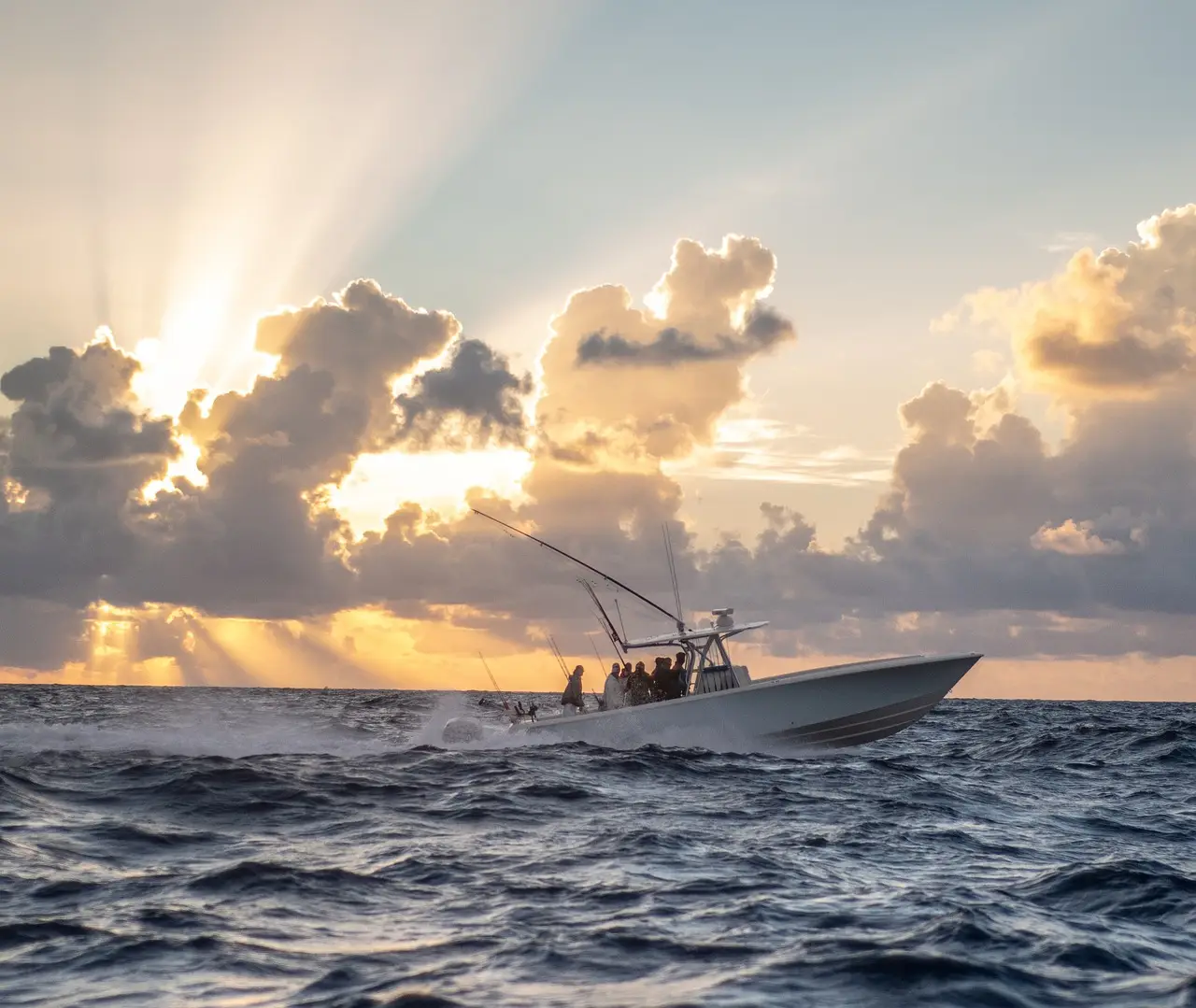
Google Ads for fishing charters is worth testing when you have open trips and a page that takes bookings. Pay for searches that name the trip you sell and the town you leave from. Block searches for fishing reports, jobs and boats for sale.
Start with one trip. That Tuesday morning trip in January is still open, even though Saturday filled weeks ago. Put the money behind Tuesday.
Owners often worry about paying for clicks from people who only wanted a fishing license. Keeping the campaign focused limits those clicks, and you can check which bookings the ads bring in.
The Google help pages linked here were checked on November 14, 2026.
Advertise the dates that stay open
If your Saturday offshore trip sells out three weeks ahead, leave it alone.
Look at the dates you keep checking. There’s the Wednesday morning in the bay. Or the private charter nobody has asked about since last month. Those are worth a test.
A visitor in a Fort Lauderdale hotel has a free day tomorrow. They’re on their phone to plan it. Google matches ads to searches through your keywords and campaign settings. Your ad could reach that guest if they search for your trip and town.
Winter can be busy for Florida charters. That doesn’t mean every weekday fills. Choose from your own calendar.
Before a dollar goes out, open the trip page on your phone and try to book or call. If neither is easy, fix that first.
Choose one trip you want to fill
Don’t start with everything the boat can do. Choose a trip with open dates you’d be glad to fill tomorrow.
A four-hour inshore trip for up to four anglers tells guests what they’re booking. Give it its own page and make sure you have dates to sell.
That trip could be a good first test if weekdays stay open. Or try the private charter if one booking is worth more to you.
Keep your first test of Google Ads for fishing charters small enough to check between trips. Track what you spent on that trip and which bookings came from the ads. Add another trip later.
Guides on Google Ads for the boating industry cover far more than you need to sell one trip.
Advertise the trip a first-timer would book
Drew Sainte Marie ran his own tour boat company before he started Tour Boss. We asked him which trip he’d put ad money behind first.
“If I’m putting ad money behind one trip, I want the one that’s easiest for a stranger to say yes to. My most popular trip fills itself, so I’d leave that alone, and I wouldn’t lead with my most expensive one either. I’d pick the trip with open dates and a price a first-timer won’t think twice about. For a lot of fishing charters, that’s probably a half-day inshore trip. A family on vacation can book that from their hotel room without calling anybody. Then once they’ve been out with you and had a great time, they’re the ones who come back for the full day. I’ve learned it’s a lot easier to sell the bigger trip to a warm customer than to a cold click. Let the ad open the door. Let the trip do the selling.”
Drew Sainte Marie, founder of Tour Boss
For a Florida charter, that might be the short morning trip on January weekdays. Build the first campaign around it. Then use your after-trip email to offer the full day to the guests who loved the morning.
Build the first campaign in 6 steps
1. Use the trip and town in your keywords
Keywords help Google match your ad to a search. Start with words a guest would use to ask for your trip.
For example:
- “inshore fishing charter fort lauderdale”
- “half day fishing charter miami”
- “private fishing charter key west”
- “offshore fishing trip near me”
Use the examples that fit. If you leave from the Gulf coast, put your own town in the list.
Add a fish name only if that’s how you sell the trip. Don’t build the campaign around a species when you’re trying to fill a family morning.
Ten to fifteen keywords is plenty for one trip. Read each one aloud and check that it sounds like someone asking for your trip.
If you also sell charters without fishing, run boat charter Google Ads in a separate campaign later.
2. Decide how loosely Google can match a search
Match types decide how close a search has to be to your keyword. Look at this setting before you spend.
Broad match is the default, and it can reach a wide range of related searches. Exact match shows your ad on the fewest searches of the three.
Start your first campaign with phrase or exact match for keywords that name your trip and town.
Broad match can reach searches you hadn’t thought of. Some may fit your trip, and others may have little to do with it.
If you use broad match, make time to review the search terms every week. Don’t leave it running unchecked while you’re busy on the boat.
3. Block the searches that won’t book your boat
Negative keywords stop your ads from showing for certain searches. Add them before the first ad runs.
Start here:
- fishing license
- fishing report
- boats for sale
- crew jobs
- captain jobs
- bait shop
- tackle shop
- fishing rods
Someone looking for rods may like fishing without wanting to book a charter.
Negative keywords use broad match by default. Search campaigns also let you choose phrase or exact match for them. Blocking “jobs” with broad match rules out lots of searches. Blocking the phrase “boats for sale” rules out a smaller set.
Check the search terms report each week. If your ad showed for “fishing license” or “boats for sale”, deal with it before another week passes.
When a guest asks about fishing licenses or rules, send them to the FWC’s license page.
4. Include visitors who haven’t reached Florida yet
A guest can be in Ohio when they book a February charter. Another can be in a Keys hotel with two free days.
Location targeting shows ads in the places you pick, though Google calls it a best effort. Check where the clicks come from. Don’t assume the setting catches every wrong location.
Google recommends showing Search campaign ads across a broad area with Presence or Interest. Consider that setting if visitors book before they arrive.
Presence or Interest reaches people in your area or those who show interest in it. That suits visitors who book from home. Presence alone suits a trip you only sell to people already in town. A few weeks in, look at where the clicks came from.
5. Send guests to the page for the trip they searched for
An ad for your four-hour trip should open that trip’s page.
A family wants to take the kids fishing. They click your ad for a short trip and land on a page about a full day offshore. Now they have to work out if you even sell the trip they wanted.
Send them straight to the right page. Show the length and group size. Put the price beside what’s included, with a clear way to book or call.
On your phone, try to find the trip and choose a date. A hotel guest should be able to do this the night before without hunting around.
If the page doesn’t exist, build it before you buy clicks. The guide to fishing charter SEO covers how that same page can help guests find you through regular search.
6. Count booked trips, then track calls
Conversions are actions you choose to count because they matter to your business. You can count website purchases or sign-ups. Calls from ads or to your website number can count too.
Start by tracking charter bookings so you can see which keywords and ads brought them in. Use that information to check what you got for your money. Our guide on tracking where charter bookings come from walks through the setup.
Add call tracking too. Some guests want to speak to the captain before they pay. Be ready to answer if someone calls from the parking lot.
Call assets add your number to an ad, though they don’t appear every time. A tap on the call button is billed like a click on the headline. Count it in the cost of each booking.
Be honest about when you can answer. Can you take the call while the mate rigs the rods? What about once you’re out?
An ad schedule limits ads to selected days and hours. Out of the box, a campaign runs around the clock. Choose hours that fit your operation. If nobody searches for your trip in the hours you pick, the ads won’t show.
Write the ad the way you describe the trip
Say what the guest gets. Use a clear headline such as “Half Day Inshore Charter, Fort Lauderdale.”
Use the details you’d give someone at the dock:
- Half day, full day or four hours.
- Inshore or offshore.
- How many anglers fit.
- What’s included, such as rods or bait.
- The town or marina area.
Only list what you actually provide. If ice and fish cleaning are included, say so.
Parents bringing kids need to know if beginners are welcome. Say if a long offshore trip is meant for experienced anglers.
Never promise fish. Give the guest enough information to choose the trip.
Searches to pay for and searches to block
Use this list to start, and only test searches for trips you sell.
| Search | Pay for it? | Why |
|---|---|---|
| half day fishing charter fort lauderdale | Yes, if it fits | Trip and town match |
| private fishing charter key west | Yes, if it fits | Names a private trip |
| fishing report fort lauderdale | Block | Wants a report |
| boats for sale miami | Block | Wants to buy |
| fishing captain jobs florida | Block | Wants work |
| fishing license florida | Block | License question |
| boat charter miami | Test | Trip type unclear |
That last search could mean a yacht or a party boat. If you test it, choose a small budget you’re comfortable with. Read the search terms after a week before you spend more.
Ads won’t lift your regular Google ranking
Google doesn’t charge for inclusion in its search index or accept payment for search rankings. Paying for ads won’t buy a higher spot in the regular results.
Google Ads for fishing charters can help you reach guests while you have dates to fill. Getting found in regular search takes longer.
Guests can reach the trip page through ads or regular search. Keep it clear enough that they can decide to book as soon as they open it.
If you want guests to find that page without paying for the click, start with SEO for charter boat businesses and our Fort Lauderdale charter marketing page.
When you’re working out how to get more bookings for tours, check the page your ads send people to first.
Give the campaign 15 minutes each week
Set a timer and check the same four things:
- Search terms. What did people type? Block the obvious misses.
- Bookings and calls. What came in for the trip you advertised?
- Spend. What did those bookings cost you?
- The page. On your phone, check the price, dates and booking button.
Change one thing at a time. Otherwise, next week you won’t know what helped.
Your daily budget is an average for each campaign. For most campaigns, the daily spending limit is twice that average. A day can cost more than the figure you entered.
Choose an amount you can live with when that happens. Watch the monthly total as well as today’s spend.
This week, get one trip ready to advertise
- Choose the trip with the most open weekdays.
- Open its page on your phone. Make sure a guest can book or call in under a minute.
- Write ten to fifteen keywords for that trip and town.
- Add the negative keywords before the ads run.
- Set a budget and put a review date on the calendar four weeks out.
Test ads for the Tuesday trip you want booked.